BitcoinWorld Philippines Blocks 50 Crypto Exchanges: A Stunning Regulatory Crackdown on Coinbase and Gemini In a decisive move that sent shockwaves through theBitcoinWorld Philippines Blocks 50 Crypto Exchanges: A Stunning Regulatory Crackdown on Coinbase and Gemini In a decisive move that sent shockwaves through the

Philippines Blocks 50 Crypto Exchanges: A Stunning Regulatory Crackdown on Coinbase and Gemini
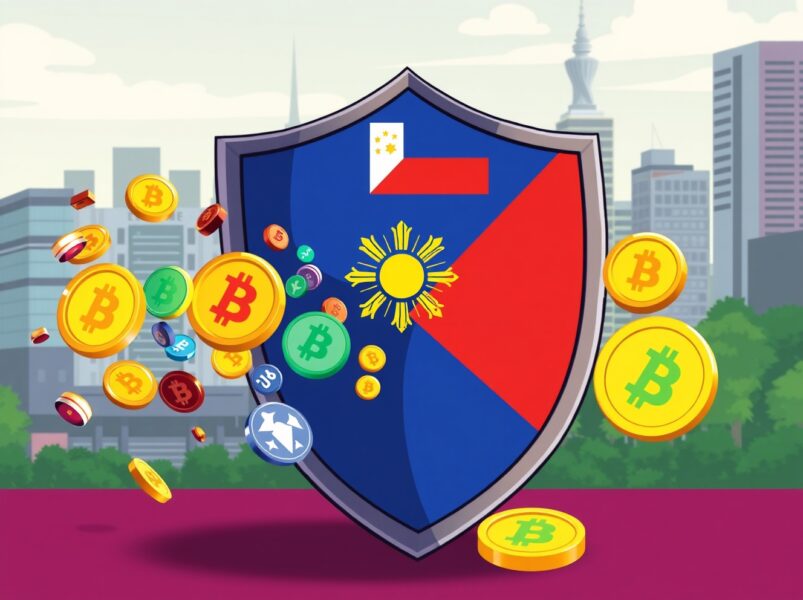
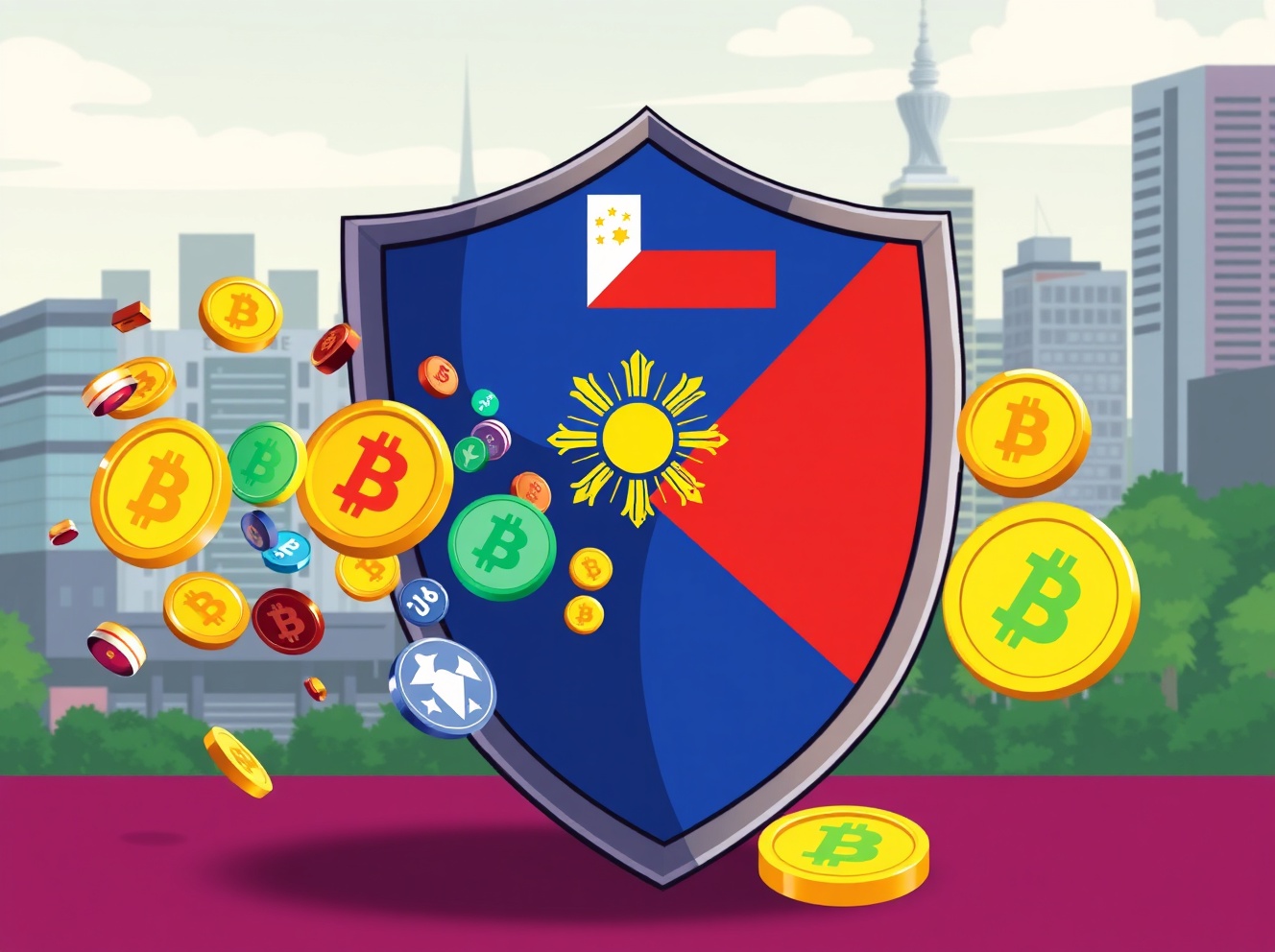
Cartoon illustration of the Philippines blocking unregistered cryptocurrency exchanges with a large shield.

BitcoinWorld

Philippines Blocks 50 Crypto Exchanges: A Stunning Regulatory Crackdown on Coinbase and Gemini

In a decisive move that sent shockwaves through the crypto community, the Philippines has blocked access to 50 unregistered cryptocurrency exchanges. This stunning regulatory crackdown, which includes industry giants like Coinbase and Gemini, marks a significant escalation in the nation’s efforts to control its digital asset landscape. If you’re trading or investing in crypto from or within the Philippines, this action directly impacts you.

Why Did the Philippines Block These Crypto Exchanges?

The Philippine National Telecommunications Commission (NTC) officially restricted access to these platforms on December 22nd. This action was not taken lightly; it followed a formal request from the Bangko Sentral ng Pilipinas (BSP), the country’s central bank. The core issue is registration. The Philippines requires all Virtual Asset Service Providers (VASPs) to register with the BSP to operate legally. These 50 exchanges, despite their global fame, failed to meet this crucial regulatory requirement.

This is not an isolated event. It continues a pattern of stricter enforcement that began earlier in 2024 when the Philippines moved to block the world’s largest exchange, Binance. The message from regulators is now crystal clear: comply with local laws or face being shut out of the market.

What Does This Mean for Crypto Investors in the Philippines?

For users in the Philippines, the immediate effect is simple: you can no longer access the websites or apps of these 50 blocked platforms through local internet providers. However, the implications run much deeper. This crackdown highlights both the challenges and potential benefits of increased regulation.

  • Challenge: Reduced choice and convenience. Popular, user-friendly platforms are now inaccessible.
  • Benefit: Enhanced investor protection. Registered exchanges must adhere to strict anti-money laundering (AML) and know-your-customer (KYC) rules, making the ecosystem safer.
  • Actionable Insight: Investors must now verify that any exchange they use is on the BSP’s list of registered VASPs. Trading on unregistered platforms carries legal and financial risk.

Is This the End for Global Crypto Exchanges in the Philippines?

Absolutely not. The door remains open, but the path is now well-defined. The Philippines is not banning cryptocurrency; it is demanding that foreign businesses respect its regulatory framework. This move creates a powerful incentive for global exchanges to formalize their operations. The process to register involves:

  • Submitting detailed applications to the BSP.
  • Implementing robust security and compliance systems.
  • Paying the necessary fees and agreeing to ongoing supervision.

Therefore, we may see companies like Coinbase and Gemini pursue registration to re-enter this vibrant market. The Philippines blocks crypto exchanges that are unregistered, not those willing to play by the rules.

If your preferred exchange is now blocked, do not panic. You have several clear options. First, withdraw your funds from the blocked platform immediately if you still can. Next, research and migrate to a BSP-registered exchange. Several reputable international and local platforms operate legally within the country.

This event is a crucial reminder for all crypto users: regulatory compliance is no longer optional. The era of unrestricted access to global platforms is giving way to a more structured, nation-by-nation approach. Understanding your local laws is as important as understanding market charts.

In conclusion, the decision by the Philippines to block 50 unregistered exchanges is a landmark moment for crypto regulation in Southeast Asia. It underscores a global trend where governments are asserting sovereignty over digital finance. While it creates short-term disruption for some investors, the long-term goal is a safer, more transparent, and sustainable cryptocurrency market for everyone. The Philippines blocks crypto exchanges today to build a more secure ecosystem for tomorrow.

Frequently Asked Questions (FAQs)

Q1: Can I use a VPN to access blocked exchanges like Coinbase in the Philippines?
A: While technically possible, using a VPN to circumvent the block is strongly discouraged. It may violate the terms of service of both the exchange and your internet provider, potentially leading to account suspension or legal issues. More importantly, you would still be using an unregistered entity, losing any regulatory protection.

Q2: Which crypto exchanges are still legal and accessible in the Philippines?
A: You should consult the official list of registered Virtual Asset Service Providers (VASPs) published by the Bangko Sentral ng Pilipinas (BSP). This list includes both local and international companies that have completed the registration process, such as PDAX, Coins.ph, and others.

Q3: What happens to my funds on a blocked exchange?
A: Your cryptocurrency assets are still held in your wallet on that exchange’s platform. Your immediate priority should be to log in (if possible) and withdraw your funds to a private wallet or a registered exchange. Contact the exchange’s customer support for guidance if you encounter access issues.

Q4: Why is the Philippine government doing this now?
A: The government aims to protect consumers from fraud, ensure financial stability, and prevent illegal activities like money laundering and terrorist financing. By enforcing registration, they can monitor transactions and hold companies accountable, creating a safer environment for mainstream crypto adoption.

Q5: Will this affect the price of Bitcoin or other cryptocurrencies?
A: This specific action is unlikely to cause major global price movements. It is a localized regulatory enforcement. However, if this signals a broader regional trend of strict crackdowns in Southeast Asia, it could impact market sentiment and trading volume over time.

Q6: How can an exchange like Coinbase become unblocked?
A: The exchange must apply for and secure a license as a Virtual Asset Service Provider (VASP) from the Bangko Sentral ng Pilipinas. This involves meeting strict capital, security, compliance, and reporting requirements. Once approved, the NTC would lift the access block.

Found this breakdown of the Philippines’ major crypto exchange crackdown helpful? The regulatory landscape is changing fast. Share this article on social media to help other investors in your network stay informed and navigate these new rules safely. Knowledge is power in the crypto world!

To learn more about the latest cryptocurrency regulatory trends, explore our article on key developments shaping global crypto policy and institutional adoption.

This post Philippines Blocks 50 Crypto Exchanges: A Stunning Regulatory Crackdown on Coinbase and Gemini first appeared on BitcoinWorld.

Market Opportunity
Movement Logo
Movement Price(MOVE)
$0.03734
$0.03734$0.03734
+16.36%
USD
Movement (MOVE) Live Price Chart
Disclaimer: The articles reposted on this site are sourced from public platforms and are provided for informational purposes only. They do not necessarily reflect the views of MEXC. All rights remain with the original authors. If you believe any content infringes on third-party rights, please contact service@support.mexc.com for removal. MEXC makes no guarantees regarding the accuracy, completeness, or timeliness of the content and is not responsible for any actions taken based on the information provided. The content does not constitute financial, legal, or other professional advice, nor should it be considered a recommendation or endorsement by MEXC.

You May Also Like

Unleashing A New Era Of Seller Empowerment

Unleashing A New Era Of Seller Empowerment

The post Unleashing A New Era Of Seller Empowerment appeared on BitcoinEthereumNews.com. Amazon AI Agent: Unleashing A New Era Of Seller Empowerment Skip to content Home AI News Amazon AI Agent: Unleashing a New Era of Seller Empowerment Source: https://bitcoinworld.co.in/amazon-ai-seller-tools/
Share
BitcoinEthereumNews2025/09/18 00:10
Coinbase On-Chain Lending: Unleash Impressive USDC Yields Up to 10.8%

Coinbase On-Chain Lending: Unleash Impressive USDC Yields Up to 10.8%

BitcoinWorld Coinbase On-Chain Lending: Unleash Impressive USDC Yields Up to 10.8% Are you looking for smarter ways to make your digital assets work for you? The world of cryptocurrency is constantly evolving, and a significant development has just arrived. Coinbase has launched an innovative Coinbase on-chain lending service for USDC, promising attractive yields. This exciting new offering allows users to earn up to 10.8% on their stablecoin holdings, opening up fresh opportunities for crypto enthusiasts and investors alike. What is Coinbase On-Chain Lending and How Does it Work? Coinbase’s new on-chain lending service is a groundbreaking step, bringing decentralized finance (DeFi) opportunities directly to its user base. This feature, as reported by The Block, is built on the robust Base network and powered by leading DeFi protocols Morpho and Steakhouse Financial. In essence, it bridges the gap between traditional crypto exchanges and the dynamic world of on-chain yield generation. Seamless Deposit Process: When you deposit USDC, Coinbase simplifies the process by creating a dedicated smart contract wallet for your funds. Optimized Yield: This smart contract then intelligently connects your USDC to multiple lending pools across the Base network. The goal is to optimize returns, ensuring you get the best possible yield. Immediate Earnings: You start earning yield right away, without any complex setup. Flexible Withdrawals: Importantly, you maintain control. Users can withdraw their funds at any time, offering crucial liquidity. This initiative makes high-yield opportunities, traditionally complex for many, incredibly accessible through the familiar Coinbase interface. It’s a powerful blend of security, simplicity, and earning potential. Maximizing Your Returns: The Power of Morpho and Base Network The impressive yields, reaching up to 10.8%, are not magic; they are the result of sophisticated underlying technology. Morpho and Steakhouse Financial, operating on the Base network, are key players in making this possible. Morpho, for instance, is known for its optimized lending protocols that aim to offer better rates by matching lenders and borrowers more efficiently. The Base network, developed by Coinbase itself, provides a secure, low-cost, and developer-friendly environment for decentralized applications. Its integration means that the Coinbase on-chain lending service benefits from: Enhanced Security: Leveraging the robust security of the underlying Ethereum network. Lower Transaction Costs: Making participation more economical for users. Scalability: Ensuring the service can handle a growing number of users and transactions efficiently. Moreover, the use of a smart contract wallet means your funds are managed transparently on the blockchain. This transparency is a cornerstone of DeFi, allowing users to verify transactions and the operational logic of the lending pools. Why Choose Coinbase for On-Chain Lending? For many, the world of decentralized finance can seem daunting due to its technical complexity and the perceived risks. Coinbase’s entry into on-chain lending significantly lowers this barrier. Here’s why this platform stands out: Trust and Reliability: Coinbase is a regulated and publicly traded company, bringing a layer of trust that is often missing in the broader DeFi landscape. User-Friendly Experience: The service is integrated directly into the Coinbase platform, making it incredibly easy for existing users to participate without navigating external DeFi protocols. Simplified Access: It abstracts away the complexities of interacting directly with smart contracts, setting up MetaMask, or managing gas fees for multiple protocols. Optimized Performance: By connecting to multiple lending pools, Coinbase aims to provide consistently competitive yields, taking the guesswork out of finding the best rates. Ultimately, this offering aims to democratize access to high-yield opportunities, making them available to a wider audience who might otherwise shy away from the intricacies of DeFi. Navigating the On-Chain Lending Landscape: Risks and Rewards While the prospect of earning up to 10.8% on your USDC is undeniably attractive, it is crucial to understand that all financial endeavors carry some level of risk. Coinbase on-chain lending, while designed for security and ease of use, is no exception. Potential risks include: Smart Contract Vulnerabilities: Although extensively audited, smart contracts can theoretically have bugs or exploits. Market Volatility: While USDC is a stablecoin, the underlying value of the assets in lending pools can fluctuate, affecting overall returns or, in extreme cases, principal. Protocol Risks: The performance of Morpho and Steakhouse Financial directly impacts the service. However, Coinbase’s involvement provides a layer of institutional oversight and expertise that can help mitigate some of these risks. They conduct due diligence on the protocols used and aim to provide a secure environment. Users should always perform their own research and understand the dynamics of on-chain lending. Conclusion: A New Era for Stablecoin Holders The launch of Coinbase on-chain lending for USDC marks a significant milestone in the evolution of cryptocurrency services. By combining the accessibility and trust of a major exchange with the high-yield potential of decentralized finance, Coinbase is empowering users to generate passive income on their stablecoin holdings with unprecedented ease. This service not only simplifies participation in DeFi but also sets a new standard for how traditional crypto platforms can integrate innovative on-chain solutions. It’s an exciting development that could redefine how many engage with their digital assets, turning dormant stablecoins into powerful earning tools. Frequently Asked Questions (FAQs) 1. What is Coinbase on-chain lending? Coinbase on-chain lending is a new service that allows users to deposit USDC and earn yields of up to 10.8%. It connects user funds to various lending pools on the Base network, powered by DeFi protocols like Morpho and Steakhouse Financial. 2. How does the 10.8% yield work? When you deposit USDC, Coinbase creates a smart contract wallet that strategically allocates your funds to multiple lending pools to optimize returns, aiming for the highest possible yield, which can reach up to 10.8%. 3. What are the risks involved with Coinbase on-chain lending? Like all DeFi services, risks include potential smart contract vulnerabilities and market volatility affecting underlying assets. However, Coinbase’s institutional oversight and use of audited protocols aim to mitigate some of these risks. 4. Can I withdraw my funds from Coinbase on-chain lending at any time? Yes, one of the key benefits of this service is the flexibility it offers. Users can withdraw their deposited USDC and accrued yield at any time. 5. Which networks and protocols power this service? The service is powered by the Base network, developed by Coinbase, and utilizes decentralized finance protocols such as Morpho and Steakhouse Financial to manage lending pools and optimize yields. 6. Is Coinbase on-chain lending available to all users? Availability may vary based on jurisdiction and regulatory requirements. Users should check the Coinbase platform or their local regulations to confirm eligibility. Did you find this article insightful? Share it with your friends and colleagues on social media to help them discover the exciting opportunities with Coinbase on-chain lending! To learn more about the latest crypto lending trends, explore our article on key developments shaping decentralized finance institutional adoption. This post Coinbase On-Chain Lending: Unleash Impressive USDC Yields Up to 10.8% first appeared on BitcoinWorld.
Share
Coinstats2025/09/19 00:35
Koscom Pursues Korean Won Stablecoin with 5 Trademark Applications

Koscom Pursues Korean Won Stablecoin with 5 Trademark Applications

Detail: https://coincu.com/news/koscom-korean-won-stablecoin-trademark/
Share
Coinstats2025/09/18 18:39