

Dubai: standing still – but still standing
Since February 28, when the first missiles and drones began crossing Gulf skies, the war has been real enough in Dubai. The alerts, the distant thud of intercepts, the flicker of light on the horizon – all have become part of the city’s new rhythm.
But it seems only in the past week that the reality has properly settled in: Dubai is a city at war, and war has long-term economic consequences.
Perhaps that has been because of the extraordinary effectiveness of the UAE’s air defences. The vast majority of incoming threats have been neutralised before they can do serious damage. The system has worked, and worked impressively.
Safe and secure, residents who have rejected the flight option have had the opportunity to think about the future when the missiles and drones stop. That thinking has hardened in the past week.
The conversations I have had over the past few days – with businessmen, economists, investors – have taken on a different tone. Initial shock has given way to something more sobering.
One senior figure in the Dubai business community spoke bluntly of an economy that could be “decimated” this year. He meant that in a literal, rather than Trumpian, sense: a contraction of up to 10 percent in GDP, a double-digit fall in population and a similar correction in real estate values, or worse.
Others offered variations on the same theme – some less severe, some more so – but the direction of travel was rarely in doubt.
Out on the streets, the anecdotal evidence points the same way. My barometer – the Marina Walk – is usually an obstacle course of strolling families and distracted tourists but has thinned to the point where my daily bike ride can be completed without the usual slalom.
It is Ramadan, of course, and rhythms change at this time of year. But even after iftar the crowds have not returned.
At a family suhoor on the Palm this week, in a vast and elegantly appointed tent that could comfortably hold hundreds, we were among only a handful of late-night diners.
Another evening, the Souk at Madinat Jumeirah – which I sometimes regard as a microcosm of Dubai and which at this time of year would normally hum with tourists – was almost deserted.
The table talk was no longer about deals and expansion, but about furloughs, finances and forecasts.
This is not panic. It is something more measured – a recognition that the shock this time is of a different order to those Dubai has faced before. And yet, even as that realisation settles in, another instinct is already asserting itself: planning for the future.
In quiet conversations and informal gatherings – the lunch clubs, the Zoom gatherings – attention is already turning to what one astute observer described as “Day Zero”: the moment when the missiles stop, the Strait of Hormuz reopens, and something approaching normality returns.
No one can say when that will be, or on what terms. But the expectation it will come is already shaping the discussion.
The themes are familiar: resilience, reconstruction, repositioning. It is almost a cliché to say that Dubai has a habit of turning crisis into opportunity, but the historical record bears it out.
The Iran-Iraq war helped give rise to the maritime services industry. The trauma of 9/11 and the invasion of Iraq accelerated the development of free zones and the liberalisation of property ownership.
The global financial crisis forced a reckoning with debt and governance that ultimately strengthened the banking system and gave fresh impetus to the Dubai International Financial Centre.
And the pandemic, most recently, was followed by one of the most rapid recoveries any global city achieved, with an influx of new global entrepreneurs and creatives who fueled an economic boom and soaring real estate market.
This time may be different. The shock is external, geopolitical, and largely beyond the emirate’s control.
The recovery, when it comes, may take longer and be more uneven. But the underlying pattern – absorb, adapt, advance – is now part of Dubai’s DNA.
Further reading:
- British businesses in Dubai defiant despite Iran war departures
- How to gauge the UAE’s economic resilience amid war in Iran
- Dubai’s response to conflict has echoes of the past
I recall a headline from The Economist at the height of the 2009 crisis: “Standing still, but still standing.” A neat pun on the debt repayment “standstill” that sparked the emergency, it captured the mood of a city forced into pause, but not into retreat.
There is something of that atmosphere in Dubai today. Activity has slowed and confidence has been dented. But the foundations – physical, financial and, perhaps most importantly, psychological – remain intact.
When the dust settles, as it will, Dubai will still be here: the Manhattan of the Middle East, the Big Apple of the Global South. Too much imagination, effort and ambition have gone into its making for any other outcome.
For now, the city is watching the skies and the mobile alerts. Still standing.
Frank Kane is Editor-at-Large of AGBI and an award-winning business journalist. He acts as a consultant to the Ministry of Energy of Saudi Arabia
Frank Kane’s Diary
- Malbec and missiles in Marinagrad: A week of war in Dubai
- Dubai in the time of scorpions
- Incident on Marina Walk: how Dubai responds to crime


You May Also Like

EUR/GBP Exchange Rate Surges as Bank of England Rate Hike Expectations Intensify – Market Analysis
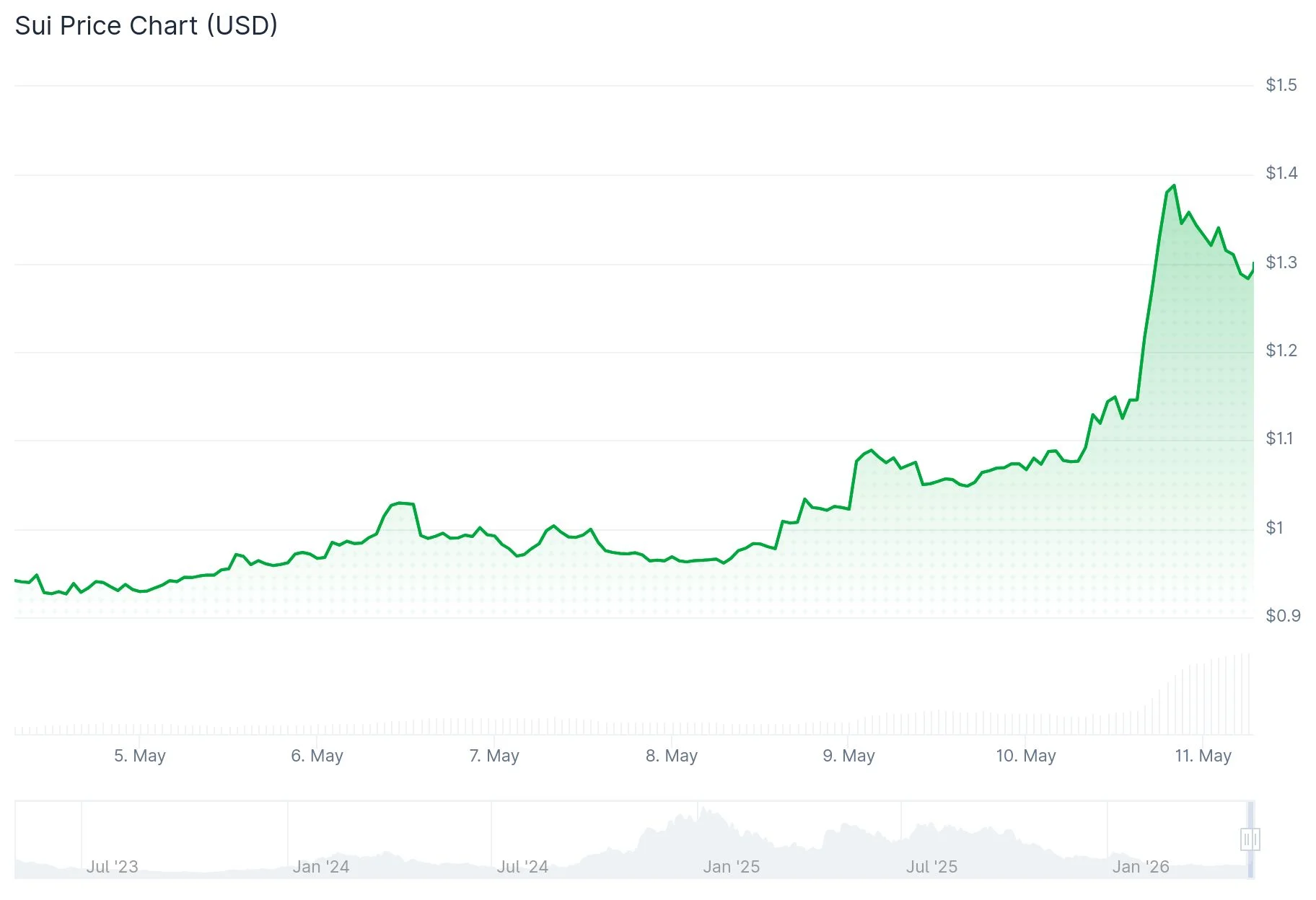
Sui (SUI) Token Rockets 50% Weekly on Institutional Staking and Privacy Tech Rollout




