Economic experts predict that an escalation of the Middle East conflict could cause oil prices to surge, with the blockade of two major shipping lanes triggering a supply crisis.
PANews reported on March 29th, citing CCTV News, that Wan Zhe, a professor of economics at Beijing Normal University, stated that historically, the duration and magnitude of oil price increases triggered by Middle East conflicts have depended on the development of the geopolitical situation. Currently, the scale of the supply shock may exceed that of the past. The supply gap caused by the closure of the Strait of Hormuz could account for 15% to 20% of global supply. Moreover, geopolitical uncertainty is higher, the risk of spillover from the conflict is escalating, and there is even a risk of it spreading into a full-blown conflict in the Middle East. Market panic is stronger than in historical local wars. Regarding future oil prices, if the conflict maintains its current intensity, the Strait of Hormuz remains closed, the Houthi rebels continue their attacks but do not completely blockade the Bab el-Mandeb Strait, and there is no major diplomatic breakthrough, then prices should remain above $100. If the Bab el-Mandeb Strait is blocked, both core shipping lanes are simultaneously disrupted, and the conflict expands to more countries, then prices will certainly continue to rise. If a major diplomatic breakthrough occurs and the Strait of Hormuz reopens, oil prices may quickly fall back below $100.


You May Also Like
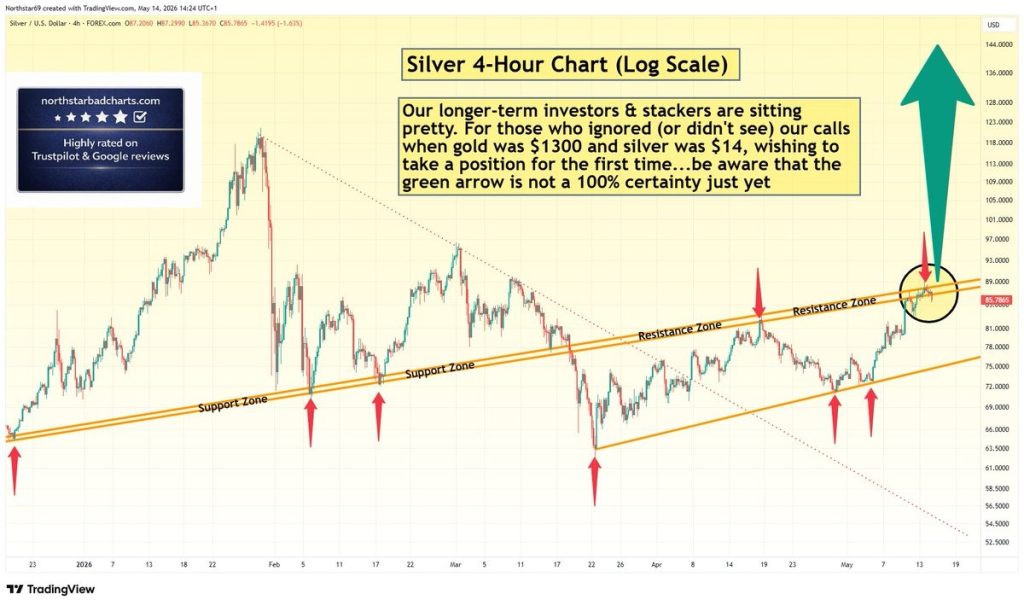
Silver Price Warning: Green Arrow Setup Is Not Confirmed – Wait for Clear Signal

Facebook spotlights African cinema in 6th ‘Made by Africa, loved by the world’ campaign