

Crypto ETFs Could Deal Fatal Blow to Digital Asset Treasury Firms: Expert
TLDR
- Nate Geraci predicts that the approval of Crypto ETFs could spell the end for digital asset treasury firms like MicroStrategy, Metaplanet, and Bitmine.
- Geraci emphasizes that regulatory changes, such as the SEC’s new generic listing standards.
- Regulators like the SEC and FINRA are closely monitoring unusual trading activity in shares of companies holding large cryptocurrency reserves.
- Bloomberg analyst James Seyffart counters that Crypto ETFs won’t fully replace crypto treasury firms.
- The launch of Ethereum staking ETFs marks a significant shift, possibly undermining the appeal of companies with crypto treasuries.
ETF expert Nate Geraci predicts that the approval of generic listing standards for Crypto ETFs could significantly impact digital asset treasury (DAT) firms. Geraci argues that the new regulations may mark the end of firms like Strategy (MSTR), Metaplanet (MTPLF), and Bitmine (BMNR). He points out that these companies have benefited from regulatory arbitrage, but that landscape is now changing.
Geraci’s concerns stem from the SEC’s evolving stance on Crypto ETFs. He explained that DAT firms may struggle to compete once the new regulations allow for easier access to crypto assets.
While Geraci warns that Crypto ETFs could be a “death-knell” for these firms, other analysts offer a different perspective. Bloomberg ETF analyst James Seyffart dismissed concerns that Crypto ETFs would undermine crypto-linked firms. Seyffart noted that ETFs cannot deploy capital within decentralized finance ecosystems like Ethereum (ETH) or Solana (SOL).
Regulatory Scrutiny on Crypto Treasury Firms
Recent reports highlight increased scrutiny from U.S. regulators on companies holding large amounts of cryptocurrency. Both the SEC and FINRA have focused on unusual trading patterns in the shares of firms with crypto treasuries. These regulators are specifically examining trading activity surrounding crypto-treasury announcements, which has raised concerns over potential insider trading.
According to David Chase, a former SEC enforcement lawyer, these investigations are typically the first step in a larger probe. “When FINRA letters go out, it stirs the pot,” said Chase, emphasizing the potential for deeper inquiries. The SEC’s involvement signals heightened regulatory interest in the crypto space, particularly regarding companies that have embraced crypto assets.
This increased attention on crypto treasury firms follows a rapid rise in the stocks of companies like MicroStrategy (MSTR) and Bitmine (BMNR). The sharp rise in these stocks has drawn the regulators’ attention, highlighting the potential risks of market manipulation. As a result, investors are now more cautious when considering investments in firms with crypto treasuries.
Seyffart Says Crypto ETFs Won’t Replace Treasury Firms
The launch of Crypto ETFs, including the first Ethereum staking ETF, represents a significant shift in the crypto investment space. Geraci views this as a critical development that could reduce the appeal of treasury firms. He suggested that these ETFs would give investors an easier and more direct way to access cryptocurrencies, bypassing the need for companies like Strategy to hold large crypto reserves.
Meanwhile, Seyffart downplayed the idea that Crypto ETFs could eliminate crypto treasury firms. He pointed out that companies like MicroStrategy (MSTR) still maintain their relevance by investing directly in crypto assets, which ETFs cannot replicate. Seyffart acknowledged that many of the existing crypto-related products may not survive in the long run, but he emphasized that it’s unlikely for ETFs to replace these firms completely.
The post Crypto ETFs Could Deal Fatal Blow to Digital Asset Treasury Firms: Expert appeared first on CoinCentral.
You May Also Like

Tether Backs Ark Labs’ $5.2 Million Bet on Bitcoin’s Stablecoin Revival
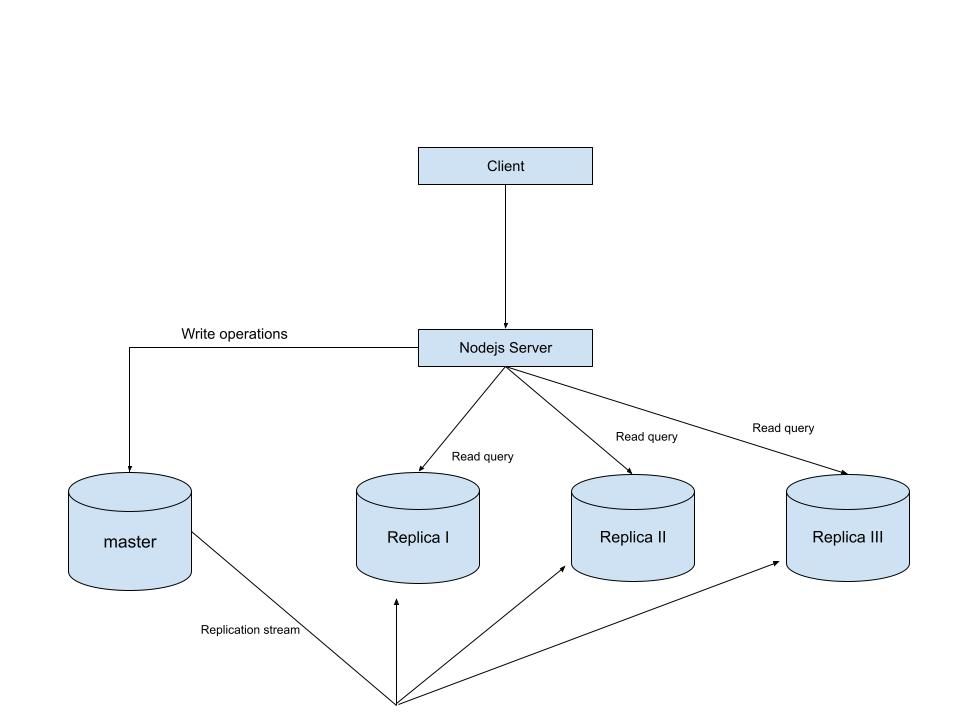
MySQL Single Leader Replication with Node.js and Docker
command: --server-id=1 --log-bin=ON The --server-id option gives each MySQL server in your replication setup its own name tag. Each one has to be unique and without it, replication won’t work at all. Another cool option not included here is binlog_format=ROW. This tells MySQL how to keep track of changes before passing them along to the replicas. By default, MySQL already uses row-based replication, but you can explicitly set it to ROW to be sure or switch it to STATEMENT if you’d rather log the actual SQL statements instead of row-by-row changes. \ Run our containers on docker Now, in the terminal, we can run the following command to spin up our database containers: docker-compose up -d \ Setting Up Our Master (Primary) Server To configure our master server, we would have to first access the running instance on docker using the following command docker exec -it mysql-master bash This command opens an interactive Bash shell inside the running Docker container named mysql-master, allowing us to run commands directly inside that container. \ Now that we’re inside the container, we can access the MySQL server and start running commands. type: mysql -uroot -p This will log you into MySQL as the root user. You’ll be prompted to enter the password you set in your docker-compose.yml file. \ Next, we need to create a special user that our replicas will use to connect to the master server and pull data. Inside the MySQL prompt, run the following commands: \ CREATE USER 'repl_user'@'%' IDENTIFIED BY 'replication_pass'; GRANT REPLICATION SLAVE ON . TO 'repl_user'@'%'; FLUSH PRIVILEGES; Here’s what’s happening: CREATE USER makes a new MySQL user called repl_user with the password replication_pass. GRANT REPLICATION SLAVE gives this user permission to act as a replication client. FLUSH PRIVILEGES tells MySQL to reload the user permissions so they take effect immediately. \ Time to Configure the Replica (Secondary) Servers a. First, let’s access the replica containers the same way we did with the master. Run this command in your terminal for each of the replica containers: \ docker exec -it <replica_container_name> bash mysql -uroot -p <replica_container_name> should be replace with the name of the replica container you are trying to setup b. Now it’s time to tell our replica where to get its data from. While inside the replica’s MySQL shell, run the following command to configure replication using the master’s details: CHANGE REPLICATION SOURCE TO SOURCE_HOST='mysql-master', SOURCE_USER='repl_user', SOURCE_PASSWORD='replication_pass', GET_SOURCE_PUBLIC_KEY=1; With the replication settings in place, let’s fire up the replica and get it syncing with the master. Still inside the MySQL shell on the replica, run: START REPLICA; This starts the replication process. To make sure everything is working, check the replica’s status with:
SHOW REPLICA STATUS\G; Look for Replica_IO_Running and Replica_SQL_Running — if both say Yes, congratulations! 🎉 Your replica is now successfully connected to the master and replicating data in real time.
Testing Our Replication Setup from the Node.js App Now that our replication is successfully set up, we can configure our Node.js server to observe the real-time effect of data being replicated from the master server to the replica server whenever we write to it. We start by installing the following dependencies:
npm i express mysql2 sequelize \ Now create a folder called src in the root directory and add the following files inside that folder connection.js, index.js and model.js. Our current directory should look like this We can now set up our connections to our master and replica server in the connection.js file as shown below
const Sequelize = require("sequelize"); const sequelize = new Sequelize({ dialect: "mysql", replication: { write: { host: "127.0.0.1", username: "root", password: "master", database: "replicaDb", }, read: [ { host: "127.0.0.1", username: "root", password: "slave", database: "replicaDb", port: 3307 }, { host: "127.0.0.1", username: "root", password: "slave", database: "replicaDb", port: 3308 }, { host: "127.0.0.1", username: "root", password: "slave", database: "replicaDb", port: 3309 }, ], }, }); async function connectdb() { try { await sequelize.authenticate(); } catch (error) { console.error("❌ unable to connect to the follower database", error); } } connectdb(); module.exports = { sequelize, }; \ We can now create a User table in the model.js file
const {DataTypes} = require("sequelize"); const { sequelize } = require("./connection"); const User = sequelize.define("User", { name: { type: DataTypes.STRING, allowNull: false, }, email: { type: DataTypes.STRING, unique: true, allowNull: false, }, }); module.exports = User \ and finally in our index.js file we can start our server and listen for connections on port 3000. from the code sample below, all inserts or updates will be routed by sequelize to the master server. while all read queries will be routed to the read replicas.
const express = require("express"); const { sequelize } = require("./connection"); const User = require("./model"); const app = express(); app.use(express.json()); async function main() { await sequelize.sync({ alter: true }); app.get("/", (req, res) => { res.status(200).json({ message: "first step to setting server up", }); }); app.post("/user", async (req, res) => { const { email, name } = req.body; let newUser = await User.build({ name, email, }); // This INSERT will go to the write (master) connection newUser = newUser.save({ returning: false }); res.status(201).json({ message: "User successfully created", }); }); app.get("/user", async (req, res) => { // This SELECT query will go to one of the read replicas const users = await User.findAll(); res.status(200).json(users); }); app.listen(3000, () => { console.log("server has connected"); }); } main(); When you make a POST request to the /users endpoint, take a moment to check both the master and replica servers to observe how data is replicated in real time. Right now, we are relying on Sequelize to automatically route requests, which works for development but isn’t robust enough for a production environment. In particular, if the master node goes down, Sequelize cannot automatically redirect requests to a newly elected leader. In the next part of this series, we’ll explore strategies to handle these challenges
