Asian markets opened Tuesday to a mix of geopolitical tensions, central bank decisions, and shifting expectations around US monetary policy. From China’s objections to Japan’s recent remarks on Taiwan, to the Reserve Bank of Australia’s decision to leave rates unchanged, and to investor caution ahead of the Federal Reserve’s upcoming move, the region’s sentiment remained subdued. Meanwhile, new comments from US President Donald Trump on Nvidia’s China chip exports added another layer to an already complex global tech landscape.China increases Japan criticism over Taiwan commentsChina’s special representative on Korean affairs, Liu Xiaoming, confirmed that Chinese Foreign Minister Wang Yi and German Foreign Minister Johann Wadephul discussed Taiwan during their meeting in Beijing. The conversation also covered recent remarks by Japan’s leadership.Wang reiterated Beijing’s criticism of Japanese Prime Minister Sanae Takaichi’s comment suggesting Japan could use force over Taiwan. He argued the statement contradicted Japan’s previous commitments to China and undermined post–World War II settlements.Liu reaffirmed Beijing’s stance that “ironclad” facts confirm Taiwan is part of China and that the issue has been politically and legally settled for decades. He warned that “plotting ‘Taiwan independence’ means splitting China’s territory,” and that supporting it constitutes interference in China’s internal affairs.Reserve Bank of Australia holds rates at 3.6%The Reserve Bank of Australia kept its benchmark interest rate unchanged at 3.6% in December, aligning with market expectations. The decision was unanimous, with policymakers noting that inflation risks may take longer to evaluate.“The recent data suggest the risks to inflation have tilted to the upside, but it will take a little longer to assess the persistence of inflationary pressures,” the RBA said.Asian markets drift as investors await Fed signalsAsian equities traded weaker as investors positioned for a US rate cut and evaluated the likelihood of a shallow easing cycle. MSCI’s Asia-Pacific ex-Japan index slipped 0.68%, Japan’s Nikkei edged down 0.04%, and South Korea’s Kospi fell 0.37%.Analysts expect a cautious tone from Fed Chair Jerome Powell, with some projecting only one rate cut in 2026. Traders are currently pricing in 77 basis points of easing next year.Currency markets remained steady. The dollar index held at 99.09, on track for its biggest annual decline since 2017. The yen stabilized after a 7.5-magnitude earthquake in northeastern Japan injured at least 30 people and forced evacuations.Commodities were mixed: gold fell 0.15% to $4,182.11 per ounce, while Brent crude hovered at $61.96.Indian markets also slipped. The Nifty 50 fell 0.37% to 25,865.30, and the Sensex dropped 0.55% to 84,796.18.Trump says Nvidia can export H200 chips to China under 25% US feeUS President Donald Trump announced that Nvidia will be allowed to export its H200 artificial-intelligence chips to “approved customers” in China, provided the US government receives a 25% cut of the revenue. He said Chinese President Xi Jinping “responded positively” to the proposal.Trump added that the same framework will apply to AMD, Intel, and other US chipmakers. Nvidia and AMD had already agreed in August to share 15% of their China chip revenue with Washington. The H200 chip is a higher-grade model than the H20 chip previously designed for China.Nvidia shares rose about 2% after hours on the news. The company said the policy “strikes a thoughtful balance” that supports American jobs and manufacturing. Semiconductors remain central to the US–China technology rivalry, highlighted by trade frictions and earlier disputes over China’s rare-earth export controls.The post Morning brief: China criticises Japan on Taiwan; Trump approves Nvidia H200 chip sales to China appeared first on InvezzAsian markets opened Tuesday to a mix of geopolitical tensions, central bank decisions, and shifting expectations around US monetary policy. From China’s objections to Japan’s recent remarks on Taiwan, to the Reserve Bank of Australia’s decision to leave rates unchanged, and to investor caution ahead of the Federal Reserve’s upcoming move, the region’s sentiment remained subdued. Meanwhile, new comments from US President Donald Trump on Nvidia’s China chip exports added another layer to an already complex global tech landscape.China increases Japan criticism over Taiwan commentsChina’s special representative on Korean affairs, Liu Xiaoming, confirmed that Chinese Foreign Minister Wang Yi and German Foreign Minister Johann Wadephul discussed Taiwan during their meeting in Beijing. The conversation also covered recent remarks by Japan’s leadership.Wang reiterated Beijing’s criticism of Japanese Prime Minister Sanae Takaichi’s comment suggesting Japan could use force over Taiwan. He argued the statement contradicted Japan’s previous commitments to China and undermined post–World War II settlements.Liu reaffirmed Beijing’s stance that “ironclad” facts confirm Taiwan is part of China and that the issue has been politically and legally settled for decades. He warned that “plotting ‘Taiwan independence’ means splitting China’s territory,” and that supporting it constitutes interference in China’s internal affairs.Reserve Bank of Australia holds rates at 3.6%The Reserve Bank of Australia kept its benchmark interest rate unchanged at 3.6% in December, aligning with market expectations. The decision was unanimous, with policymakers noting that inflation risks may take longer to evaluate.“The recent data suggest the risks to inflation have tilted to the upside, but it will take a little longer to assess the persistence of inflationary pressures,” the RBA said.Asian markets drift as investors await Fed signalsAsian equities traded weaker as investors positioned for a US rate cut and evaluated the likelihood of a shallow easing cycle. MSCI’s Asia-Pacific ex-Japan index slipped 0.68%, Japan’s Nikkei edged down 0.04%, and South Korea’s Kospi fell 0.37%.Analysts expect a cautious tone from Fed Chair Jerome Powell, with some projecting only one rate cut in 2026. Traders are currently pricing in 77 basis points of easing next year.Currency markets remained steady. The dollar index held at 99.09, on track for its biggest annual decline since 2017. The yen stabilized after a 7.5-magnitude earthquake in northeastern Japan injured at least 30 people and forced evacuations.Commodities were mixed: gold fell 0.15% to $4,182.11 per ounce, while Brent crude hovered at $61.96.Indian markets also slipped. The Nifty 50 fell 0.37% to 25,865.30, and the Sensex dropped 0.55% to 84,796.18.Trump says Nvidia can export H200 chips to China under 25% US feeUS President Donald Trump announced that Nvidia will be allowed to export its H200 artificial-intelligence chips to “approved customers” in China, provided the US government receives a 25% cut of the revenue. He said Chinese President Xi Jinping “responded positively” to the proposal.Trump added that the same framework will apply to AMD, Intel, and other US chipmakers. Nvidia and AMD had already agreed in August to share 15% of their China chip revenue with Washington. The H200 chip is a higher-grade model than the H20 chip previously designed for China.Nvidia shares rose about 2% after hours on the news. The company said the policy “strikes a thoughtful balance” that supports American jobs and manufacturing. Semiconductors remain central to the US–China technology rivalry, highlighted by trade frictions and earlier disputes over China’s rare-earth export controls.The post Morning brief: China criticises Japan on Taiwan; Trump approves Nvidia H200 chip sales to China appeared first on Invezz


Morning brief: China criticises Japan on Taiwan; Trump approves Nvidia H200 chip sales to China

2025/12/09 14:07

Asian markets opened Tuesday to a mix of geopolitical tensions, central bank decisions, and shifting expectations around US monetary policy.

From China’s objections to Japan’s recent remarks on Taiwan, to the Reserve Bank of Australia’s decision to leave rates unchanged, and to investor caution ahead of the Federal Reserve’s upcoming move, the region’s sentiment remained subdued.

Meanwhile, new comments from US President Donald Trump on Nvidia’s China chip exports added another layer to an already complex global tech landscape.

China increases Japan criticism over Taiwan comments

China’s special representative on Korean affairs, Liu Xiaoming, confirmed that Chinese Foreign Minister Wang Yi and German Foreign Minister Johann Wadephul discussed Taiwan during their meeting in Beijing.

The conversation also covered recent remarks by Japan’s leadership.

Wang reiterated Beijing’s criticism of Japanese Prime Minister Sanae Takaichi’s comment suggesting Japan could use force over Taiwan.

He argued the statement contradicted Japan’s previous commitments to China and undermined post–World War II settlements.

Liu reaffirmed Beijing’s stance that “ironclad” facts confirm Taiwan is part of China and that the issue has been politically and legally settled for decades.

He warned that “plotting ‘Taiwan independence’ means splitting China’s territory,” and that supporting it constitutes interference in China’s internal affairs.

Reserve Bank of Australia holds rates at 3.6%

The Reserve Bank of Australia kept its benchmark interest rate unchanged at 3.6% in December, aligning with market expectations.

The decision was unanimous, with policymakers noting that inflation risks may take longer to evaluate.

“The recent data suggest the risks to inflation have tilted to the upside, but it will take a little longer to assess the persistence of inflationary pressures,” the RBA said.

Asian markets drift as investors await Fed signals

Asian equities traded weaker as investors positioned for a US rate cut and evaluated the likelihood of a shallow easing cycle.

MSCI’s Asia-Pacific ex-Japan index slipped 0.68%, Japan’s Nikkei edged down 0.04%, and South Korea’s Kospi fell 0.37%.

Analysts expect a cautious tone from Fed Chair Jerome Powell, with some projecting only one rate cut in 2026.

Traders are currently pricing in 77 basis points of easing next year.

Currency markets remained steady. The dollar index held at 99.09, on track for its biggest annual decline since 2017.

The yen stabilized after a 7.5-magnitude earthquake in northeastern Japan injured at least 30 people and forced evacuations.

Commodities were mixed: gold fell 0.15% to $4,182.11 per ounce, while Brent crude hovered at $61.96.

Indian markets also slipped. The Nifty 50 fell 0.37% to 25,865.30, and the Sensex dropped 0.55% to 84,796.18.

Trump says Nvidia can export H200 chips to China under 25% US fee

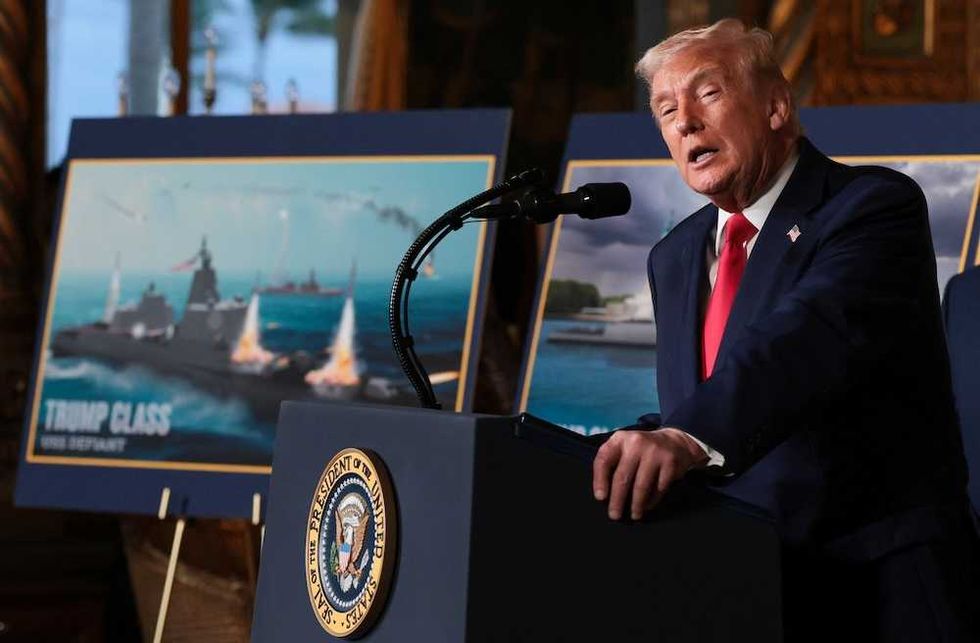
US President Donald Trump announced that Nvidia will be allowed to export its H200 artificial-intelligence chips to “approved customers” in China, provided the US government receives a 25% cut of the revenue.

He said Chinese President Xi Jinping “responded positively” to the proposal.

Trump added that the same framework will apply to AMD, Intel, and other US chipmakers.

Nvidia and AMD had already agreed in August to share 15% of their China chip revenue with Washington.

The H200 chip is a higher-grade model than the H20 chip previously designed for China.

Nvidia shares rose about 2% after hours on the news.

The company said the policy “strikes a thoughtful balance” that supports American jobs and manufacturing.

Semiconductors remain central to the US–China technology rivalry, highlighted by trade frictions and earlier disputes over China’s rare-earth export controls.

The post Morning brief: China criticises Japan on Taiwan; Trump approves Nvidia H200 chip sales to China appeared first on Invezz

Disclaimer: The articles reposted on this site are sourced from public platforms and are provided for informational purposes only. They do not necessarily reflect the views of MEXC. All rights remain with the original authors. If you believe any content infringes on third-party rights, please contact service@support.mexc.com for removal. MEXC makes no guarantees regarding the accuracy, completeness, or timeliness of the content and is not responsible for any actions taken based on the information provided. The content does not constitute financial, legal, or other professional advice, nor should it be considered a recommendation or endorsement by MEXC.

You May Also Like

Pound Sterling softens as traders eye BoE rate cut next week

Pound Sterling softens as traders eye BoE rate cut next week

The post Pound Sterling softens as traders eye BoE rate cut next week appeared on BitcoinEthereumNews.com. The GBP/USD pair trades in negative territory near 1.3365 during the early European trading hours on Thursday, pressured by the rebound in the US Dollar (USD). Nonetheless, the potential downside might be limited after the US Federal Reserve (Fed) delivered a rate cut at its December policy meeting. Traders brace for the US weekly Initial Jobless Claims report, which will be published later on Thursday.  Markets continue to digest the largely anticipated rate cut by the Fed on Wednesday. The US central bank reduced its key interest rate for the third time in a row at its December meeting but signaled that it may leave rates unchanged in the coming months. Two Fed officials voted to keep the rate unchanged, while Stephen Miran, whom Trump appointed in September, voted for a larger rate cut. During the press conference, Fed Chair Jerome Powell said central bankers need time to see how the three reductions this year work their way through the US economy. Powell added that he will closely examine incoming data leading up to the next meeting in January. The Fed’s economic projections suggested one rate cut will take place next year, although new data could change this. On the other hand, the prospect of the Bank of England (BoE) rate reductions could drag the Pound Sterling (GBP) lower against the Greenback. Financial markets are now pricing in nearly an 88% chance of the BoE rate cut next week after signs from economic data that inflation pressure has eased.  Pound Sterling FAQs The Pound Sterling (GBP) is the oldest currency in the world (886 AD) and the official currency of the United Kingdom. It is the fourth most traded unit for foreign exchange (FX) in the world, accounting for 12% of all transactions, averaging $630 billion a day, according to 2022…
Share
BitcoinEthereumNews2025/12/11 13:40